

Table of Contents
- Cycle Gear vs Eagle Leather: Head-to-Head Comparison
- Best Motorcycle Leather Jacket Brands: What to Look For
- How to Choose Motorcycle Leather Quality
- Motorcycle Gear Return Policy Comparison
- Pricing Breakdown: Cycle Gear vs Eagle Leather
- Long-Term Wear and Tear Analysis
- Regional Availability vs Online Shipping
- Conclusion: Which Store Wins?
- Frequently Asked Questions
Last Updated: September 17, 2026
Cycle Gear vs Eagle Leather: Head-to-Head Comparison
The cycle gear vs eagle leather comparison comes down to one question: do you want a chain-store showroom or a specialist leather house? Cycle Gear is a national chain with hundreds of locations; Eagle Leather built its name as a leather-focused shop with deep inventory in jackets, vests, and chaps. This guide breaks down fitment, leather grade, returns, pricing, and long-term wear.
Best Motorcycle Leather Jacket Brands: What to Look For
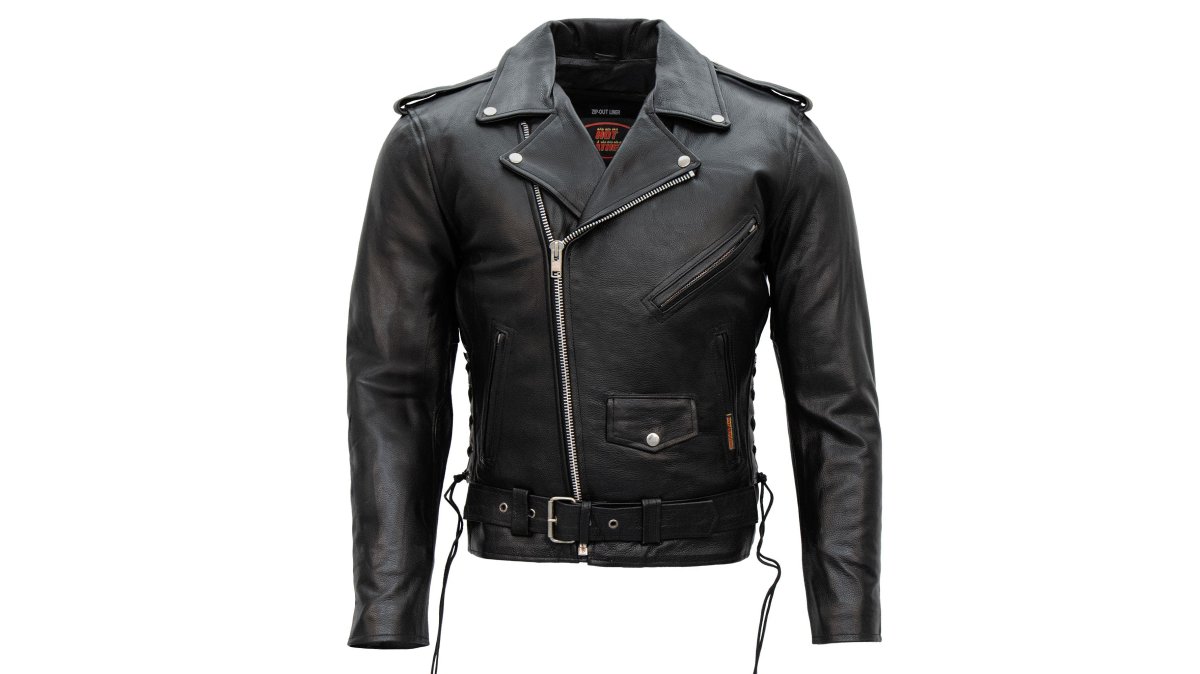
The best motorcycle leather jacket brands share three traits: full-grain or heavyweight top-grain hides, genuine YKK zippers, and armor pockets or reinforced panels at the shoulders and elbows. The spec sheet matters more than the brand name.

- Hide thickness: 1.2-1.3mm cowhide is the practical benchmark for abrasion resistance
- Stitching: triple-stitched seams at stress points outlast single-row stitching
- Hardware: YKK zippers resist corrosion and jamming far better than generic pulls
- Liner system: a zip-out quilted liner extends one jacket across three seasons
- Armor readiness: pockets for back protector, elbow armor, and shoulder armor inserts
How to Choose Motorcycle Leather Quality
Choosing motorcycle leather quality starts with the grade of the hide, not the price tag. Full-grain leather keeps the entire grain intact and develops character with age. Top-grain is sanded for uniformity, which looks cleaner new but scuffs faster. Bonded leather, made from scraps and glue, has no place on a motorcycle.
Run this checklist before you buy:
- Confirm the listing states full-grain or top-grain, not just "genuine leather"
- Check hide thickness in millimeters
- Look for CE-rated armor pockets at shoulders and elbows
- Verify YKK zippers by name
- Test the break-in period: stiff new leather should flex at the shoulders, not crack
- Inspect stitching quality at cuffs, collar, and side seams
Motorcycle Gear Return Policy Comparison
Return policy is where the two stores separate most sharply. A motorcycle gear return policy comparison usually shows specialist shops offering exchange-friendly fitment terms, while large chains lean on standardized corporate policies. Always confirm the current window before ordering.
Three questions decide your risk:
- How many days do you have to return?
- Is return shipping free, or do you pay it?
- Can you exchange for a different size, or only get a refund?
Pricing Breakdown: Cycle Gear vs Eagle Leather
Pricing at both stores tracks the same underlying brands, so the spread usually comes from store markup, sales cycles, and shipping. Here is how the tiers break down by what you actually get.
| Tier | Typical Price | What You Get | Best For |
|---|---|---|---|
| Entry top-grain | Around $140 | Zip-out liner, basic pockets | City commuting, first jacket |
| Mid premium cowhide | Around $150-$300 | 1.2-1.3mm hide, YKK zippers, armor pockets | Daily riders, touring |
| Premium full-grain | Around $400 | Naked cowhide, 5-year warranty | Long-distance, buy-once buyers |
How the Two Stores Actually Price the Same Jacket
Because both stores resell brands like Hot Leathers and Milwaukee Leather, the same jacket can appear at both. What you pay depends on three store-level factors:
- Markup structure: Chain retailers often run centralized pricing with frequent promotional events, while specialist shops may price closer to MSRP but bundle in fitting help or local service.
- Sale cycles: Cycle Gear is known for seasonal clearance events and loyalty-program discounts. Eagle Leather tends to run smaller, inventory-driven sales, especially on discontinued colors or sizes.
- Shipping and tax: Online orders add shipping unless you hit a free-shipping threshold. In-store pickup avoids shipping but may add local sales tax. Always compare the landed cost, not the sticker price.
- List the item price at each store.
- Add shipping (or note free pickup).
- Add estimated tax.
- Subtract any loyalty or membership discount.
- Compare the final number, not the headline price.
Value Per Year, Not Price Per Jacket
The most useful pricing lens is cost per riding season. A $400 jacket that lasts ten years costs about $40 per year; a $140 jacket that lasts three costs about $47, and that ignores mid-season replacement, a failing zipper, and worn-out armor pockets.
What Drives Price Up Without Adding Protection
Not every price increase buys safety. Watch for these:
- Brand-name licensing: A logo can add cost without changing the hide or armor.
- Fashion finishes: Distressed or hand-rubbed finishes look great but do not improve abrasion resistance.
- Decorative hardware: Non-YKK zippers and snaps can raise the price while lowering durability.
Spend on hide thickness, stitching, armor pockets, and zipper quality. Those are the features that protect you and extend the jacket's life.
Long-Term Wear and Tear Analysis
Long-term wear and tear separates a jacket you replace from one you keep. Failure points appear in a predictable order: zipper pulls, cuff edges, elbow seams, then the hide itself.
Regional Availability vs Online Shipping
Regional availability is the quiet advantage of a physical store. Near a Cycle Gear or Eagle Leather location, you can try on three sizes in twenty minutes and walk out with the right fit, convenience that is worth something.
Hot Leathers JKM1002 Classic Men’s →
The Store-Coverage Reality
Cycle Gear operates hundreds of locations, so many U.S. riders are within driving distance of a store. Eagle Leather's physical presence is much smaller, making it effectively online-only for most riders outside its home region.
Shipping, Returns, and the True Cost of Online
Online ordering adds costs that are easy to overlook:
- Shipping fees: Many stores offer free shipping above a threshold, but heavy leather jackets can push you over budget quickly.
- Return shipping: Some stores provide free return labels; others deduct return shipping from your refund. A $15 return label can erase the savings from a small discount.
- Restocking fees: Less common today, but still worth checking on clearance or final-sale items.
- Delivery time: Standard shipping can take several business days. If you need a jacket for a trip, in-store pickup is faster.
Practical rule: if the return window is short or return shipping is on you, order only after confirming your size with a tape measure and the brand's size chart.
How to Combine Both Channels
The smartest approach is to use the store for fitment and the online channel for selection and price:
- Visit a store if you can to try on the brand and size you are considering. Note the size that fits across shoulders, chest, and sleeve length.
- Check the online catalog for the same jacket in the color and size you want.
- Compare landed cost, price plus shipping plus tax, before buying.
- Confirm the return policy in writing, including who pays return shipping.
- If you are between sizes, size up for layering and size down for a snug race fit.
When Online Is Clearly Better
Online wins when:
- You need a specific size, color, or discontinued model.
- You live outside a store's regional coverage.
- The online price plus shipping is lower than the in-store price plus tax.
- You already know your size from a previous purchase.
When the Store Is Clearly Better
In-store wins when:
- You are buying your first leather jacket and need fitment help.
- You want to inspect stitching, zippers, and hide thickness in person.
- You need the jacket today for a ride or trip.
- You want to avoid return shipping and wait times.
A store visit has value even if you buy online: dial in your size, then order with confidence.
Conclusion: Which Store Wins?
Neither store wins outright, it depends on how you ride and where you live. With a location nearby and gear needed today, a chain retailer gets you on the road fastest. For specialist leather inventory from a shop that lives and breathes jackets, the leather house earns its reputation.
Frequently Asked Questions
Is Eagle Leather legit?
Eagle Leather is a well-established retailer based in Lakewood, Washington, that has been serving the motorcycle community for decades. They specialize in leather goods, including jackets, vests, and chaps, and have a physical storefront as well as an online presence. Many riders consider them a reputable source for classic leather gear and patch sewing services. However, as with any purchase, it is wise to check current reviews and confirm their return policy before buying.
Are Cycle Gear and RevZilla the same company?
Yes, Cycle Gear and RevZilla are both owned by the same parent company, Comoto Holdings. This means they share some backend operations, but they maintain separate websites, storefronts, and customer service teams. Cycle Gear focuses on a national chain of brick-and-mortar stores, while RevZilla is primarily an online retailer. Their return policies and pricing can differ, so it pays to compare both if you are shopping for motorcycle gear.
Which brand is best for leather jackets?
The best brand depends on your priorities. For American-made quality with a warranty, Hot Leathers offers full-grain naked cowhide jackets like the JKM5001 with a 5-year warranty. Milwaukee Leather provides premium milled cowhide options with features like ventilation and conceal-carry pockets. Cycle Gear and Eagle Leather both carry these and other brands, but the key is to check the leather grade, stitching, and armor pockets rather than just the store name.
How does the selection at Cycle Gear compare to independent shops like Eagle Leather?
Cycle Gear typically stocks a broad range of mainstream brands across helmets, jackets, gloves, and boots, with a focus on volume and nationwide availability. Eagle Leather, as an independent shop, tends to specialize in leather goods, especially classic styles, vests, and patching services. If you want a one-stop shop for all gear types, Cycle Gear may have the edge. For hard-to-find leather cuts or custom patch work, an independent like Eagle Leather often provides more expertise.
What should I look for when buying leather motorcycle gear?
Focus on leather grade (full-grain and top-grain are more durable than bonded), stitching quality (double or triple stitched at stress points), and armor pockets for CE-rated inserts. Check for YKK zippers, which are known for longevity. Also consider the break-in period: thick cowhide takes time to soften. Finally, verify the return policy and warranty. A jacket like the Milwaukee Leather MLM1515 offers triple stitching and ventilation, which are good indicators of riding-focused design.